



Ceramics 101
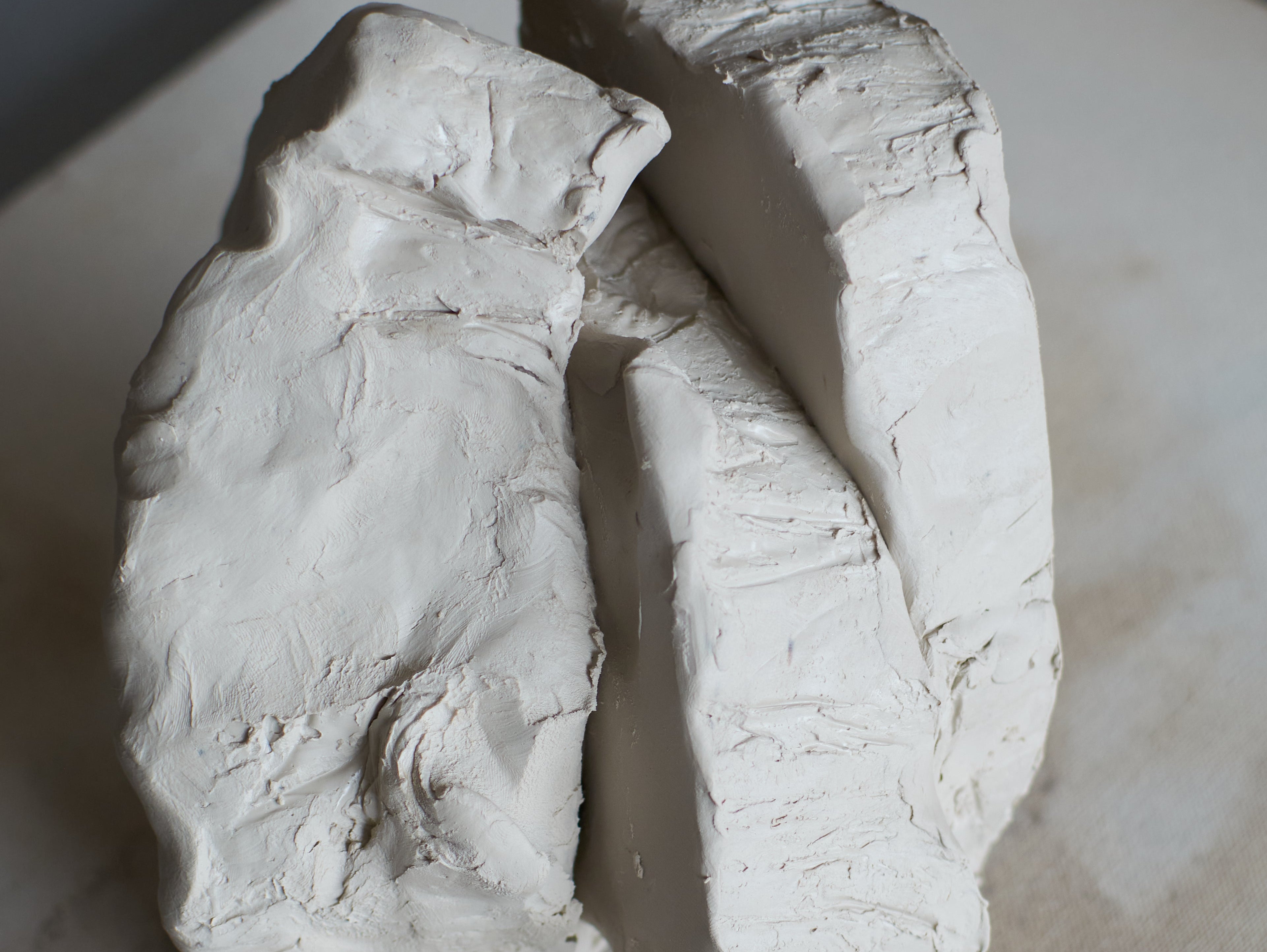
What are the different clays used for handmade ceramic tableware?
In this article, we outline the differences between porcelain, stoneware, and earthenware, tracing their geological origins and showing how these materials and techniques shape the look and durability of each piece.
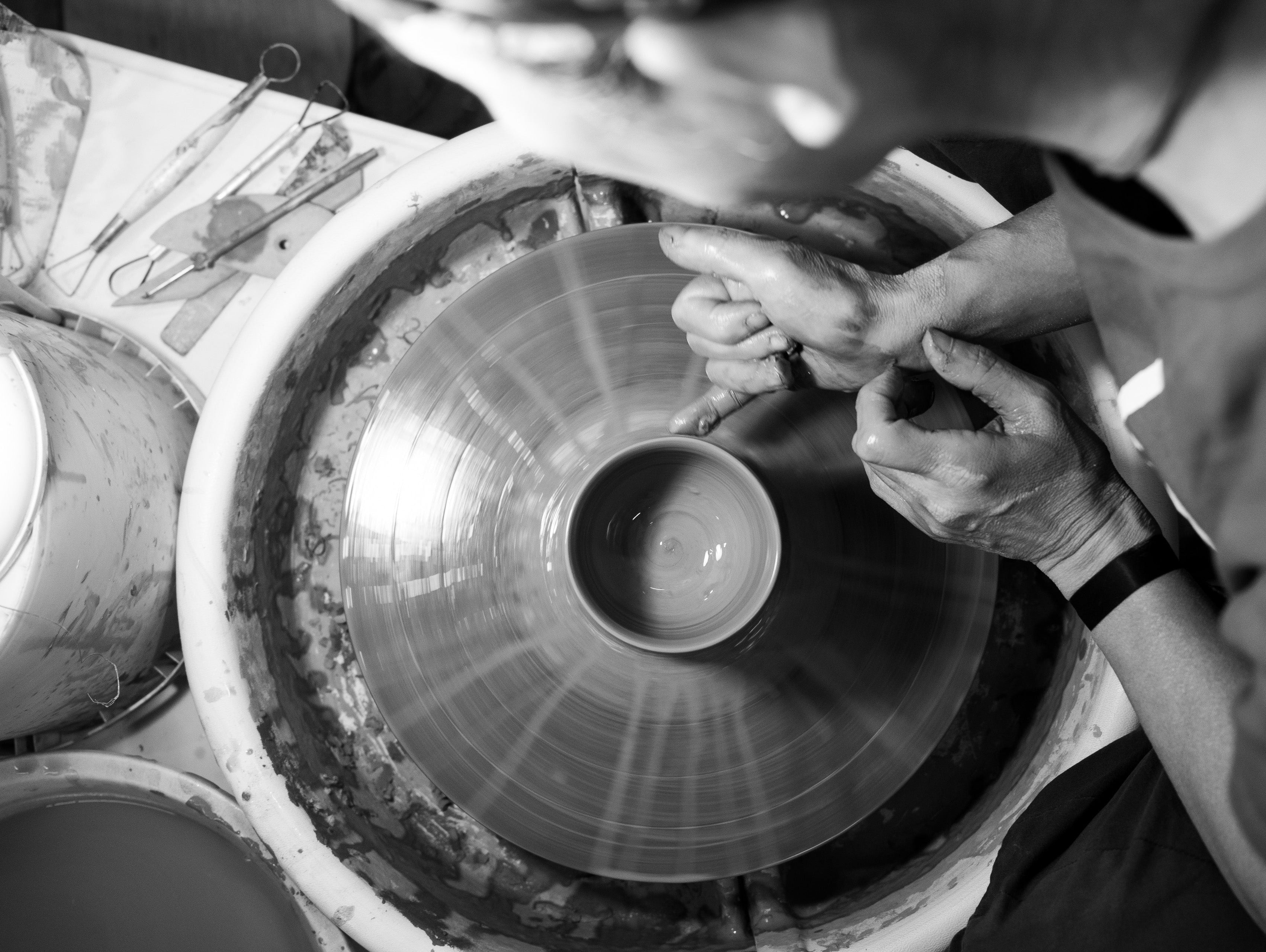
How is handmade ceramic made?
Pottery is vibrant with life. Pleasing to the eye and touch, it carries history and human sensitivity. But creating handmade ceramics professionally requires years of experience, aesthetic sensitivity, deep technical skill and a great deal of patience.
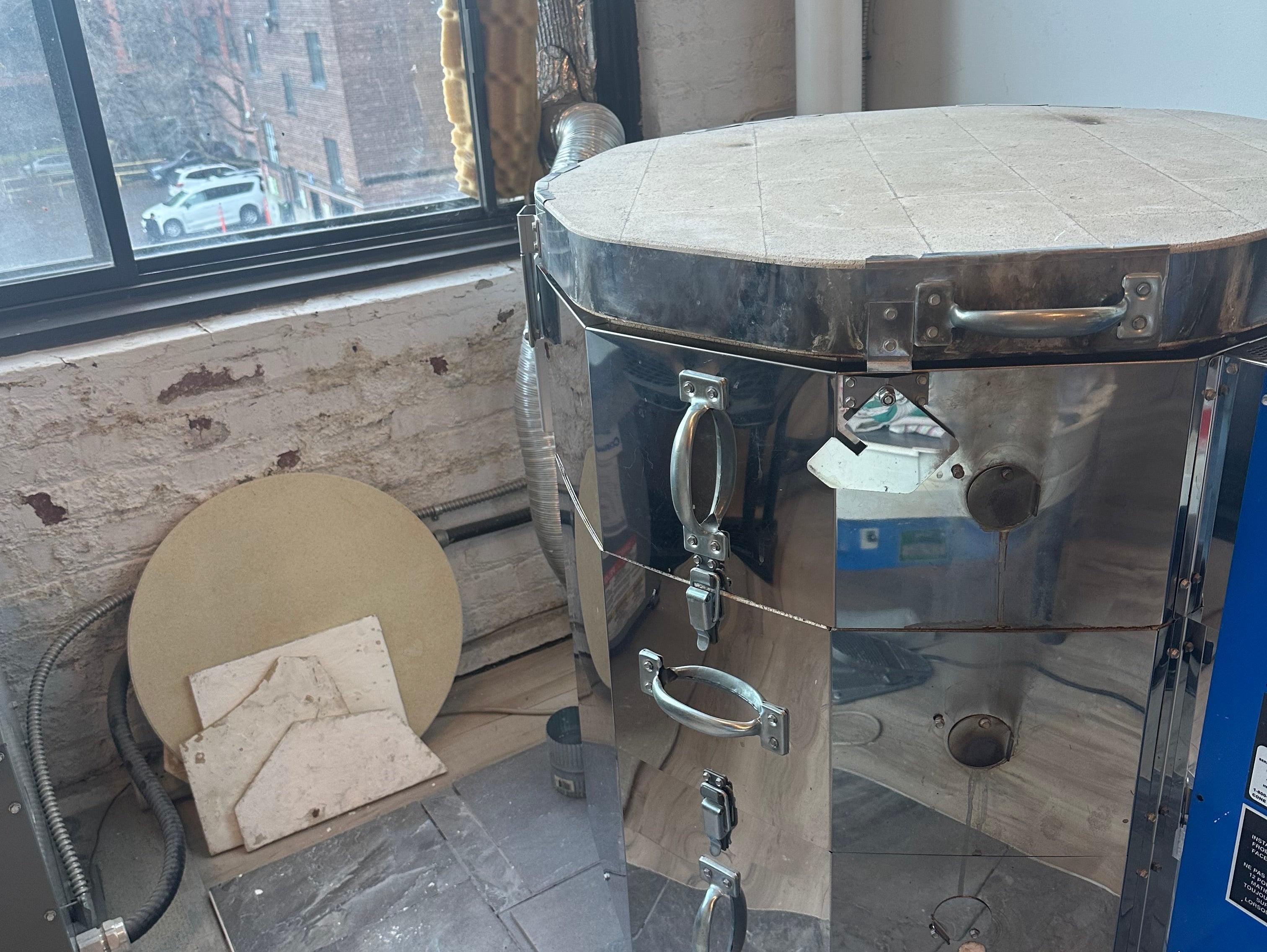
What are the different firing techniques?
For thousands of years, people have baked clay objects in ground fire pits to make ceramics, a technique still used today. However, to achieve specific, reproducible results, ceramists use specialized ovens known as kilns which yield more control over temperature and oxygen levels.
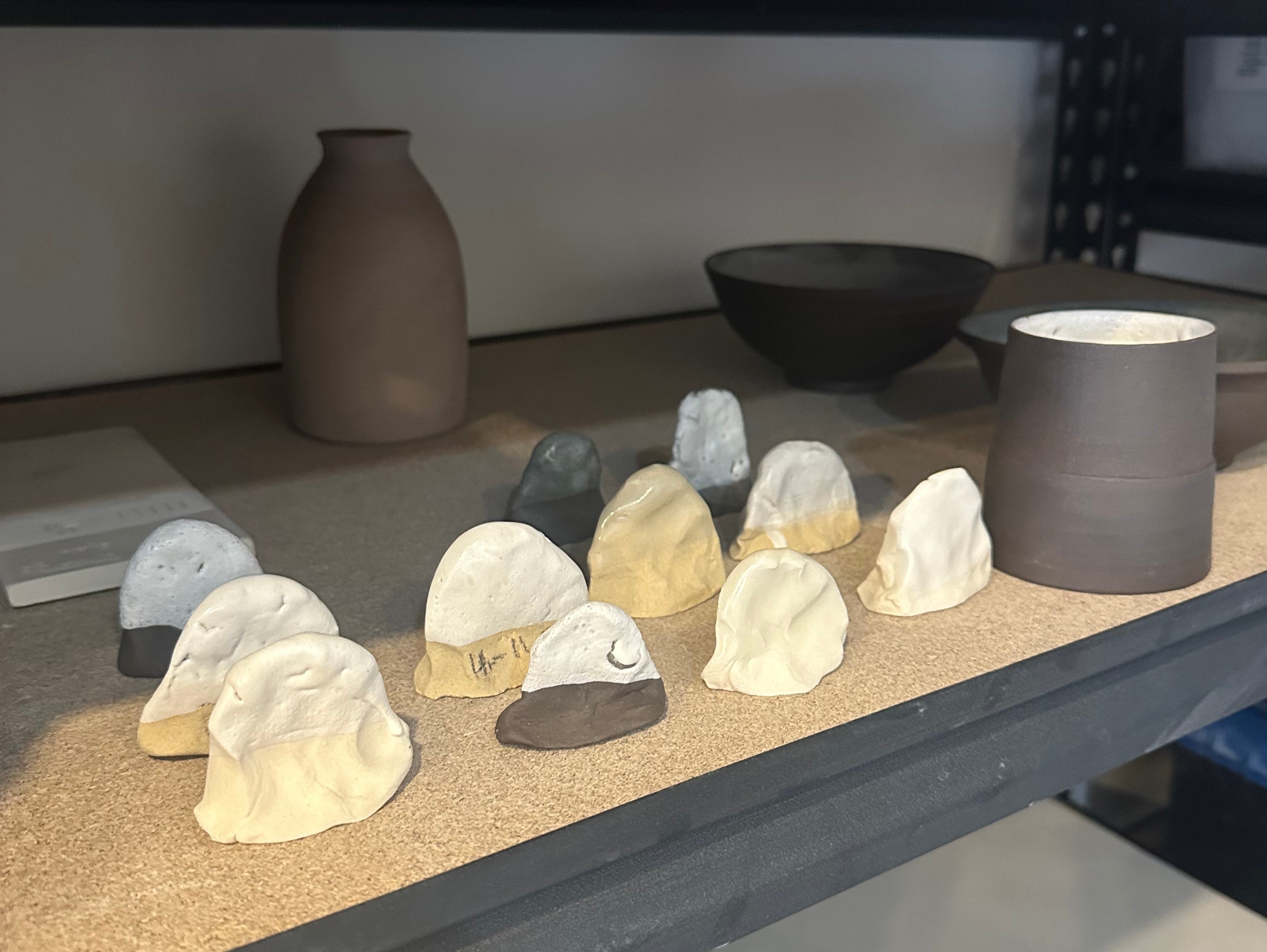
What is a glaze?
Because clay needs to be fired at very high temperatures (900°C and above) to harden, traditional dyes and paints cannot be used for decoration—they would simply burn off during firing. Instead, ceramic artists coat their pieces in glazes to add color and texture.